Table of Contents
The Rise of Balen Shah Prime Minister 2026: A New Hope for Nepal
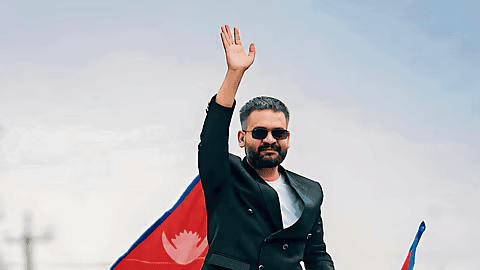
Nepal witnessed a seismic shift in its political landscape. The year 2026 marked a pivotal moment. Engineer, rapper, and former Kathmandu Mayor, Balen Shah, ascended to the nation’s highest office. He became Balen Shah Prime Minister 2026. His journey reflects a profound change in public sentiment. It signals a new era for Nepalese governance.
This remarkable transformation began with the ‘Gen Z Moment’. This powerful youth-led movement reshaped the country’s future. It channeled widespread frustration against entrenched corruption. It demanded development and accountability. The stage was set for an unconventional leader. Balen Shah, at 35, emerged as that leader.
The Gen Z Uprising and a Nation’s Cry for Change
September 4-8, 2025, became etched in Nepal’s history. A massive ‘Gen Z Moment’ erupted across the nation. This wave of protests was unprecedented. It galvanized young people from all walks of life. Their anger stemmed from long-standing corruption. They demanded social justice and real progress.
The government’s attempt to ban social media fueled the outrage. This only intensified the youth’s determination. The streets of Kathmandu and other major cities filled. Thousands of young people raised their voices. They were fed up with the old political parties. They desired tangible development. Their collective frustration reached a boiling point.
The sheer scale and passion of the protests were undeniable. It forced the existing government to resign. This opened an immediate pathway for change. A call for a new government and political parties resonated. The youth movement had succeeded. It created an urgent need for fresh leadership.
The ‘Gen Z Moment’ was not just a protest. It was a clear mandate. It demanded a corruption-free Nepal. It sought a nation focused on growth. This was the backdrop for the new election. Hope for a brighter future surged through the country.
Balen Shah: From Rapper, Engineer and Mayor to Prime Ministerial Candidate 2026
Balen Shah was no stranger to challenging the status quo. His tenure as Mayor of Kathmandu had been transformative. He was known for his direct approach. His actions often bypassed bureaucratic hurdles. His engineering background provided practical solutions. His past as a rapper gave him a unique voice. This resonated deeply with the youth.
His independent run for mayor had been a harbinger. It showcased the public’s desire for non-traditional leaders. Now, the nation needed a new direction. Balen Shah joined the Rastriya Swatantra Party (RSP). This move was strategic. The RSP was led by Ravi Lamichhane. It promised a break from old politics. This alliance propelled Balen Shah. He became a leading contender for the 2026 Nepal Election.
Rastriya Swatantra Party’s Vision for Nepal 2026
The Rastriya Swatantra Party (RSP) offered a compelling vision. Their platform promised ‘A Better Nepal’. It focused on several key areas. Economic transformation was central. They aimed for robust growth. Technology integration was another priority. This would modernize governance and services. An uncompromising anti-corruption stance defined them.
Financial policy reforms were crucial for stability. Infrastructure development promised progress. They championed job opportunities for the youth. The RSP articulated a clear plan. It addressed the core frustrations of the ‘Gen Z Moment’. Their commitment resonated with millions. They believed in a truly corruption-free society.
- Economic Transformation: Fostering innovation and growth.
- Technology Integration: Modernizing public services and governance.
- Anti-Corruption: Implementing strict accountability measures.
- Financial Policy: Ensuring stability and transparent practices.
- Infrastructure Development: Building for a sustainable future.
- Job Creation: Empowering youth with diverse opportunities.
This clear agenda distinguished the RSP. It appealed to a populace hungry for change. Balen Shah became a prominent face of this movement. His personal charisma amplified the party’s message. He was seen as a genuine reformer. He truly represented the hopes of a generation.
The Historic Election of 2082 (2026) After Genz Movement
The Federal Parliament Election 2082 took place on 21st Falgun. This was not just another election. It was a referendum on Nepal’s future. The entire nation watched with bated breath. Hopes were sky-high for a new dawn. People envisioned a bright future. They anticipated significant development in various sectors.
Job opportunities were a major concern. The youth especially yearned for prospects. Above all, a corruption-free Nepal was the ultimate desire. This election promised to fulfill those aspirations. The atmosphere was charged with optimism. A new era felt imminent.
The election results would define a generation. They would determine if the ‘Gen Z Moment’ translated into real political power. Balen Shah, as a top leader, embodied this hope. His campaign galvanized the masses. It was a movement fueled by collective dreams. This election truly captured the spirit of a nation ready for change.
Balen Shah vs. KP Oli Jhapa -5
One of the most anticipated contests was in Jhapa-5. This constituency was a stronghold. Former Prime Minister KP Oli had a huge past victory here. It was considered an unshakeable seat for him. Balen Shah’s decision to contest against him was bold. Many viewed it as an uphill battle. It wasn’t an easy contest for Balen. However, history was about to be made.
The election results from Jhapa-5 sent shockwaves. Balen Shah easily surpassed KP Oli. He achieved a huge vote difference. This was a monumental upset. It demonstrated the depth of the anti-establishment sentiment. It showed the power of the new wave. Balen Shah’s victory here was symbolic. It foreshadowed the broader electoral outcome.
Candidate Party Votes Outcome Jhapa-5 2026
| Balen Shah Rastriya Swatantra Party (RSP) | 68,348 Votes |
| KP Oli CPN (UML) | 18,734 Votes |
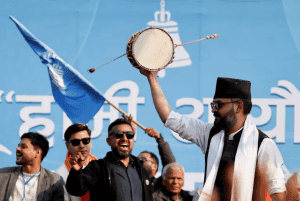
This result was more than a number. It was a clear message. The old guard was being challenged. New faces were taking charge. This victory boosted RSP’s momentum further. It cemented Balen Shah’s image. He was truly a force to be reckoned with. This single contest highlighted the shifting political sands.
Federal Parliament Election 2082: A Huge Victory
The Federal Parliament Election 2082 concluded with a massive victory. Balen Shah, as a top leader, guided the RSP. The party secured widespread support. This was largely due to the ‘Gen Z Moment’. They hoped for a strong stand against corruption. The public’s faith in new leadership was evident.
The RSP emerged as a dominant force. They secured enough seats. This allowed them to form the new government. Balen Shah was unanimously chosen. He became the Balen Shah Prime Minister 2026. This was a direct result of public mandate. It was a victory for anti-corruption efforts.
The sheer scale of support indicated a national yearning. It was a desire for genuine change. The people believed in RSP’s vision. They trusted Balen Shah’s leadership. This landslide victory was a testament. It showed the power of a united youth. It also proved the electorate’s frustration with traditional politics.
Key Pillars of the Balen Shah Administration (RSP)
The Balen Shah administration immediately outlined its core objectives. Their agenda was ambitious. It sought to address deep-rooted issues. Corruption was at the top of the list. They aimed for a transparent and accountable government.
Anti-Corruption Drive: The administration launched immediate reforms. New investigative bodies were established. Stricter laws were implemented. Public officials faced greater scrutiny. The goal was to foster a culture of integrity. This was a core promise to the nation. Explore global anti-corruption movements.
Economic Transformation: Focus shifted to sustainable growth. Investment in technology and innovation increased. Policies supported small and medium enterprises. This aimed to create robust job opportunities. It empowered the youth economically.
Technological Advancement: Digital governance became a priority. Public services were streamlined. E-platforms enhanced accessibility. This modernization effort improved efficiency. It reduced bureaucratic hurdles significantly.
Infrastructure and Development: New projects were initiated. These included roads, energy, and urban development. The focus was on quality and sustainability. These developments aimed to support national progress. They would benefit all citizens.
Financial Policy Reforms: The government introduced transparent financial policies. Fiscal responsibility was emphasized. This ensured economic stability. It restored investor confidence. This stability was vital for long-term growth.
Understand Nepal’s New Economic Policies.
Each pillar aimed to fulfill the promise. It would create a better Nepal. These policies were designed for impact. They addressed the aspirations of the ‘Gen Z Moment‘. The administration of Balen Shah Prime Minister 2026 was determined to deliver.
A Future Forged by Hope
The ascension of Balen Shah Prime Minister 2026 marked a historic turning point. It signaled a clear departure from the past. It demonstrated the power of youth activism. It proved the yearning for ethical leadership. His journey, from engineer-rapper to the nation’s leader, inspired millions. It promised a future where integrity and development prevail.
Nepal now stands at the cusp of a new era. The Balen Shah administration holds the hopes of a generation. Their vision for a corruption-free, technologically advanced, and economically prosperous nation is clear. The ‘Gen Z Moment’ has truly ushered in a period of unprecedented change. The future of Nepal looks brighter than ever under Balen Shah’s leadership.
Balen Shah to be signed as PM on March 27
Balendra Shah is set to be sworn in as Prime Minister on March 27, marking a significant and unexpected shift in Nepal’s political landscape. His rise to the country’s top executive position signals a growing demand for alternative leadership beyond traditional party politics. His appointment is expected to bring a fresh perspective to governance, with many anticipating reforms focused on transparency, urban development, and youth-driven change. He will take an oath as the Prime Minister of Nepal on Chaitra 13, on Ram Nawami Day!